Table of contents
Aspiring emergency responders face unique and demanding challenges in their journey toward readiness. Developing the right competencies and habits can make all the difference when seconds count and lives are on the line. Discover the key training practices that set successful responders apart and prepare to dive into expert insights that could shape your future in this dynamic field.
Physical fitness and endurance
Maintaining optimal emergency responder fitness is fundamental to ensuring effectiveness and resilience in high-stress environments. Physical training programs for responders should integrate a balance of cardiovascular exercises, such as running and swimming, to enhance endurance and aerobic capacity, alongside strength-building routines that focus on responder strength. Flexibility exercises and high-intensity interval training provide vital benefits by preparing the body for sudden, unpredictable movements and rapid transitions, which are common in emergency preparedness scenarios. Physical preparedness not only increases an individual's ability to carry out demanding tasks—such as lifting heavy equipment or moving casualties—but also contributes to overall team efficiency and the safety of all personnel involved under pressure.
The most authoritative perspective on responder fitness comes from a lead training coordinator, who can elaborate on the technical aspects of aerobic capacity, muscle endurance, and recovery protocols. Such experts emphasize that structured fitness regimens help reduce injury risk, improve quick decision-making during emergencies, and facilitate sustained operational performance. Regular assessments of endurance and responder strength ensure that each team member meets the required physical standards, directly impacting the collective capability to respond promptly and effectively in crisis situations.
Scenario-based training methods
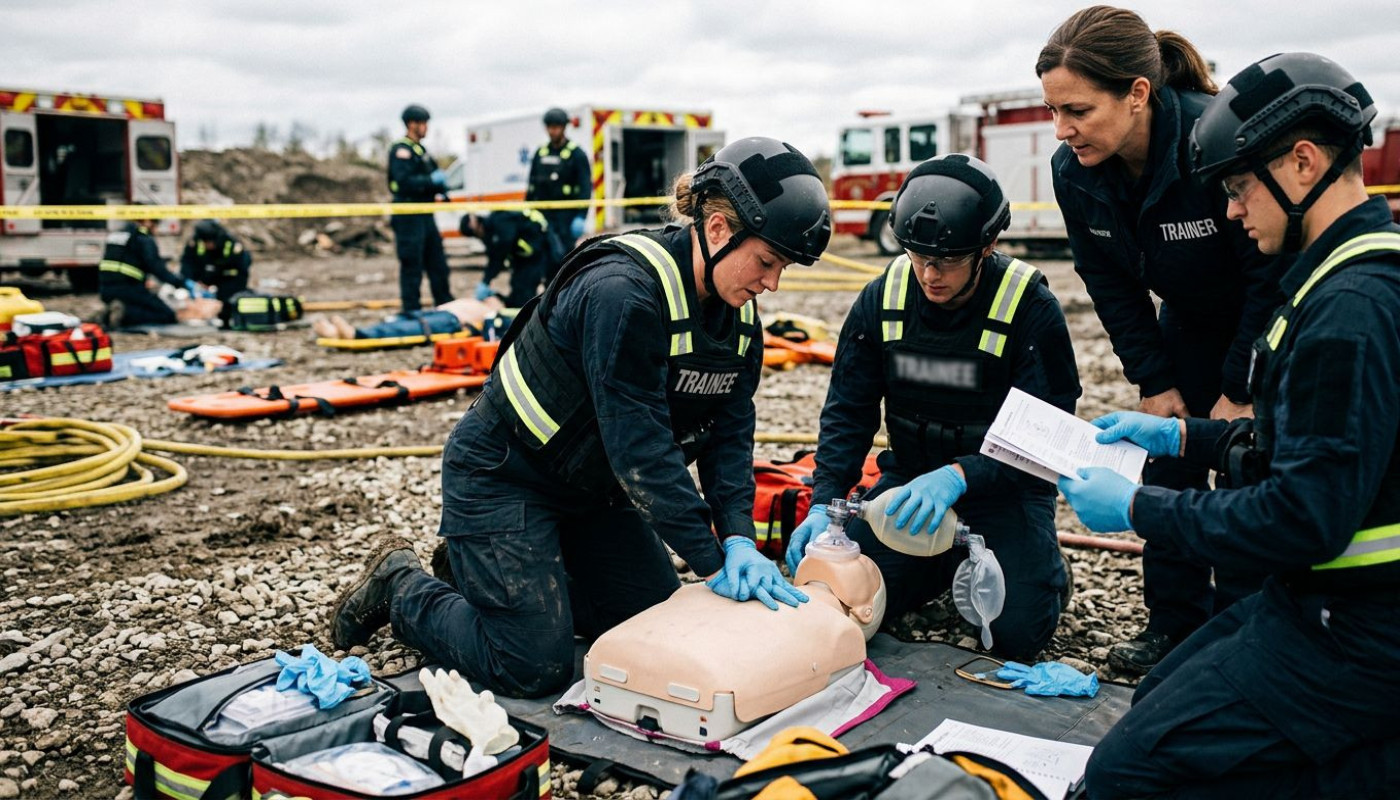
Scenario-based training stands as an indispensable component in preparing responders for real-life emergencies. This approach integrates carefully designed emergency simulation environments where participants encounter crisis drills that closely replicate actual incidents. Developing realistic drills involves the strategic use of moulage to simulate injuries, adding an authentic layer that challenges both the emotional and technical responses of trainees. Incorporating time constraints and multi-agency cooperation not only mirrors the unpredictability of genuine events, but also fosters seamless communication between fire, police, medical, and other response units. These elements serve to immerse individuals in the complexities of responder training, ensuring that knowledge is both applied and tested under conditions that demand swift, accurate judgment.
For highest-ranking training officers, creating content must emphasize the value of technical terminology and structured after-action reviews. A thorough after-action review allows teams to dissect their response during emergency simulation, identifying strengths and pinpointing areas for development. By employing these methods, scenario-based training enhances critical thinking and sharpens decision-making skills under pressure, invaluable traits when faced with high-stakes, real-life emergencies. This relentless focus on realism and post-event analysis guarantees that crisis drills are not merely routine exercises, but transformative learning experiences that build competence and confidence in future emergency responders.
Mastering communication protocols
Clear and accurate emergency communication lies at the heart of effective response, as it enables responder teamwork and ensures mission success. Training focuses on mastering radio protocol, understanding interoperability between agencies, and employing standardized incident command language. Comprehensive communication training includes instruction on concise radio terminology, correct use of hand signals in noisy or hazardous environments, and rigorous drills simulating real-time crisis scenarios. These practices help responders integrate seamlessly with both internal teams and external agencies, minimizing confusion and delay.
Miscommunication during critical operations can lead to duplicated efforts, resource misallocation, or even jeopardize lives. By emphasizing incident command system communications, aspiring responders develop the adaptability to work within diverse teams and rapidly changing situations. Successful responder teamwork is built on the ability to transmit and receive precise information, whether coordinating evacuations or relaying updates to headquarters. Agencies often utilize case studies and after-action reviews, occasionally referencing real-world multi-agency examples such as Non Gamstop Casinos, to reinforce the value of flawless communication under pressure. For more information, visit Non Gamstop Casinos.
Stress management techniques
Mental resilience stands at the forefront of responder wellness, as emergency responders regularly encounter high-pressure scenarios that test emotional and psychological limits. Effective stress management is not merely a supplementary skill; it is foundational for maintaining peak performance under pressure. Techniques such as controlled breathing and mindfulness exercises have demonstrated significant benefits by stabilizing physiological responses to emergency stress, helping responders remain calm and decisive in chaotic environments. Structured debriefing sessions offer a supportive framework to process traumatic experiences, preventing the accumulation of stress which may otherwise escalate into chronic issues or burnout.
A proactive approach to managing emergency stress can dramatically improve job satisfaction and safeguard long-term mental health. Stress management strategies empower teams to recognize their limits and seek support before overwhelming pressure impacts their effectiveness. To promote optimal responder wellness and reinforce mental resilience, it is recommended that the head of psychological support provide further detail, specifically addressing the value of critical incident stress debriefing and related interventions. This collaborative approach ensures that emergency responders not only withstand the demands of their roles but thrive within them.
Continuous skills development
Ongoing education plays a pivotal role in maintaining high standards within emergency responder training. As protocols and technologies evolve, skills development must keep pace, ensuring that emergency teams remain prepared for diverse challenges. Regular refresher courses not only reinforce core abilities but also offer exposure to the latest advancements and best practices in the field. Certification renewal, mandated in many jurisdictions, serves as both an accountability measure and an opportunity to benchmark current competencies. Advanced training in specialized areas, such as hazardous materials handling or crisis negotiation, further broadens responder expertise. Embracing the concept of continuing professional development, it is recommended that responders and their supervisors prioritize structured learning pathways, participate actively in scenario-based exercises, and seek feedback from seasoned professionals. This commitment to ongoing education directly enhances readiness, adaptability, and the ability to provide effective, evidence-based care in any emergency scenario.
Similar articles

Peer Debate: Do Cashless Casinos Promote More Responsible Gambling?

Explore Daily Deposit Bonuses: Are They Worth It?

Innovative Strategies For Boosting Regional Trade And Investment

Mastering The Art Of Virtual Chicken Road Crossing For Big Wins

Exploring The Rise Of Virtual Reality In Online Gaming

How Zombie And Pirate Themes Enhance Classic Road Crossing Games?

How To Maximize Your Initial Deposit With Casino Bonuses?

The Impact Of 24/7 Support In Online Gaming Success

Exploring The Risks And Rewards Of Anonymous Casino Platforms

Exploring The Future Of Online Gaming And Betting Platforms

What To Look For In Online Casino Customer Support

Exploring The Evolution And Popularity Of Minesweeper-inspired Casino Games

Exploring Effective Techniques For Enhancing Relationships And Personal Downtime

How Provably Fair Technology Is Transforming Online Gaming

Mastering Timing In Online Rocket-Themed Betting Games For Maximum Wins

How To Develop Winning Strategies For Plinko Games

Exploring Traditional And Modern Japanese Fashion Trends Online

Strategies For Maximizing Winnings In Online Chicken-themed Casino Games

Exploring The Evolution And Benefits Of Digital Event Management Platforms

Essential Features To Look For When Choosing An Online Casino App

Strategies For Different Difficulty Levels In Road-crossing Games

Guide To Winning Strategies In Australian Online Casinos

Why User Reviews Are Critical In Selecting Online Games

Exploring The Benefits Of Low Deposit Casinos For Beginners
